Drawing from years of hands on work with different usage styles and seeing how homeowners worry about costs as their Average lifespan of an hvac system ages, I’ve learned that the lifespan of a unit often comes down to simple patterns—how much energy it uses, how old it is, and whether you follow steady maintenance guidelines that can extend its useful life, and when a major issue makes you replace it.
so whenever I help someone consider the small factor that shape a smart purchase decision, I walk them through the same practical tips, sharing details from countless repair visits and reminding them that Investing early care can keep their system running far longer than its expected age.
How Long Do HVAC Systems Last on Average?
In my years helping homeowners choose and care for an Average lifespan of an hvac system, I’ve seen how the lifespan of a unit can shift a lot depending on daily usage, efficiency, and even small patterns you might not notice, because the age of the equipment, the factor of proper maintenance, and how quickly you handle.
A major issue all decide whether you enjoy a long, useful life from your setup or face early repair needs and unexpected costs, so before you purchase or replace anything, consider these real-world details—they shape every decision, guide smart Investing, help extend performance, cut energy waste, and support simple tips and guidelines that keep your equipment running strong.
- Central air conditioning units:12 to 17 years
- Heat pumps: 10 to 16 years
- Furnaces and boilers: 15 to 20 years
- Geothermal heat pumps: 25 to 30 years; ground loops will last upwards of 50 years
- Solar: 25 to 30 years
- Evaporative cooler: 5 to 15 years
The Factors That Impact the Longevity of HVAC Systems
Growing up in a coastal town, I saw how life span of Average lifespan of an hvac system equipment dropped quickly when exposed to salty, corrosive environments in coastal areas, especially with salt corroding the condenser unit; mix that with Poor maintenance practices, lack of maintenance, or Improper installation procedures, and the system faced shorter lifespan from accelerated component wear and issues like Defective components, Oversizing, under sizing, and Improper usage such as running heating or cooling with windows or doors open.
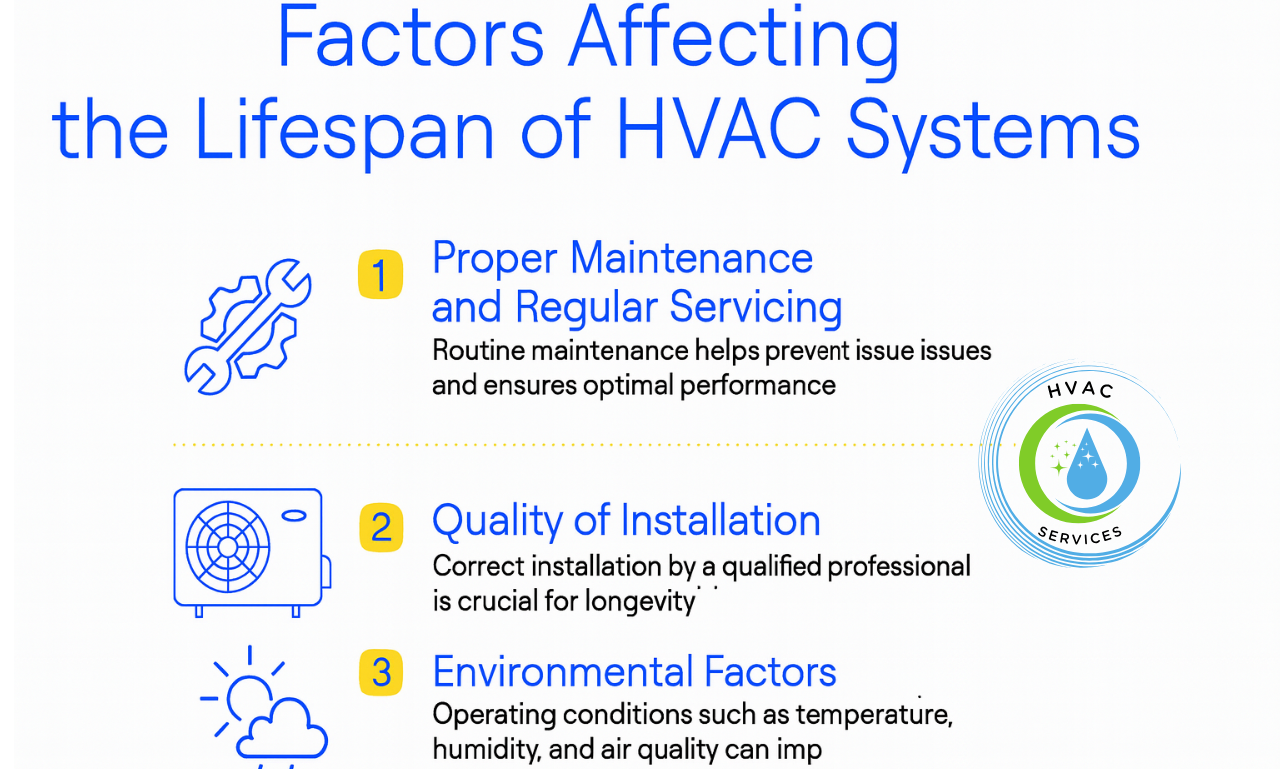
In my work, I’ve seen how preventive maintenance plans stop these detrimental patterns by catching wear early, preventing detrimental damage, and helping homeowners avoid the downward spiral that starts with one ignored noise or vibration.
Tips to Extend the Life of Your HVAC System
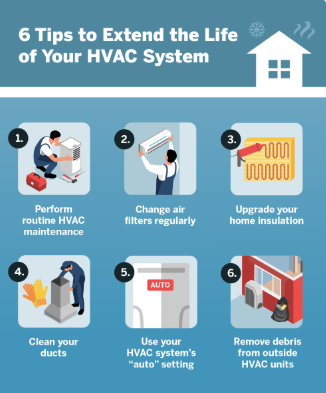
Regular HVAC System Maintenance
From my experience, one of the most important steps to extend the useful life of your Average lifespan of an hvac systemis sticking to a schedule for regularly performing maintenance tasks. Simple things like filters change, cleaning and removing debris from outside units, and inspecting components can make a fast, easy, and inexpensive difference. Seasonal and annual tune-ups help ensure smooth operation, reduce energy usage, and make trouble-free years more likely. Whenever refrigerant needs to be replaced, doing it promptly keeps your system running efficiently.
Change Air Filters Regularly
From my experience maintaining Average lifespan of an hvac system at home, one simple way to keep your system running normal and avoid expensive repairs is to replace or swap filters often, because clogged filters filled with pet hair, dirt, debris, and germs force your HVAC to work harder to move air around the house, and having a clean filter keeps healthy air in your home, which is essential, easy to find, and doesn’t take a lot of time; you can get to them more often than you think to maintain a healthy home air system.
Read More:common hvac problems and their solutions
Upgrade Your Home Insulation
From my experience, improving home insulation the right way helps yourAverage lifespan of an hvac system run longer and hold heat in winter or cool air in summer, which reduces power bills and monthly expense, letting it last more time without replacing parts too soon, and the type of insulation you choose can save energy and make your system be more efficient, allowing your HVAC to work better inside one less delay scenario.
Clean Your Ducts
From my years working with HVAC systems, one tip I always tell homeowners is to ensure your air ducts are clean because duct cleaning not only helps air move smoothly but also improve air quality in your home. Simple maintenance like changing your air filter frequently and performing regular tasks can keep your HVAC works running less strained, so the system lasts longer and keeps the air free of dirt. Making a list of regular tasks for your HVAC, including clean air ducts, can help you move step by step to keep your home comfortable.
Use “Auto” Setting for Your HVAC System Rest
From my experience maintaining home Average lifespan of an hvac system units, one simple trick that may extend the lifespan of your HVAC system is to use the auto mode on your thermostat. When the unit runs in auto, it turns on and off intermittently based on the temperature needs of your home, instead of running all the time. This reduces energy use, prevents unnecessary wear, and allows the system to maintain a more efficient state without overworking itself.
Switching from manual to auto may sense when your HVAC needs cooling or heating, reducing the strain on your unit and saving energy over years. Using this setting all the time allows your system to operate more naturally, turning on only when required. In my experience, maintaining your HVAC unit in this way can keep it efficient, comfortable, and running for many more years than a constantly running system.
Clean and clear debris from outdoor HVAC units
From my experience, keeping your Average lifespan of an hvac system unit free of debris is a simple step that can maximize its lifespan and help it run smoothly; regular maintenance like this can reduce the risk of breakdown, letting your system handle heat in summer and cold in winter more efficiently, saving you money on expensive repair after years of use, and ensuring good running time all year, potentially giving you a long wave of reliable comfort.
Have More Questions? We Can Help!
If you have more questions, our team can help you perform a full inspection, provide a complete estimate, and discuss services that keep your HVAC system running smoothly with regular maintenance, repair, or an upgrade, ensuring the life of your system is extended and your Conditioned Air experience in Georgia is always comfortable.