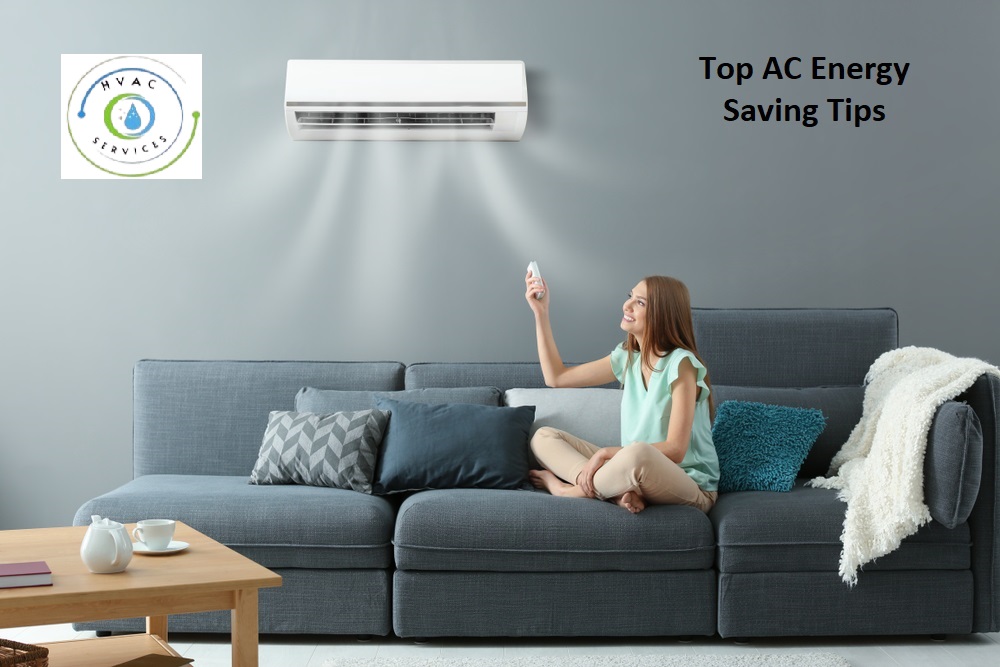
Summer cooling can make your home comfortable, but it can also increase your electricity bill if your air conditioner is not used properly. The good news is that small changes, such as cleaning filters, setting the right thermostat temperature, improving airflow, and scheduling regular maintenance, can help your AC cool better while using less energy.
In this guide, you’ll learn practical AC energy saving tips that homeowners can apply right away. These tips are designed to help reduce cooling costs, improve indoor comfort, prevent unnecessary AC strain, and keep your HVAC system running efficiently during hot weather.
How to Save Energy With Your AC
The best way to save energy with your AC is to keep the air filter clean, set the thermostat to a comfortable but efficient temperature, use ceiling fans to improve airflow, seal leaks around doors and windows, and schedule regular HVAC maintenance. These simple steps help your air conditioner cool your home without running longer than needed.
For most homeowners, the biggest savings come from three habits: replacing dirty filters, avoiding very low thermostat settings, and keeping the outdoor AC unit clean with proper airflow around it.
Expert Note:
As HVAC systems lose efficiency when airflow is restricted, simple maintenance steps like changing filters, cleaning coils, checking ducts, and using the right thermostat settings can make a noticeable difference in cooling performance.
Best AC Energy Saving Tips at a Glance
| AC Energy Saving Tip | Why It Helps | Best Time to Do It |
|---|---|---|
| Clean or replace air filters | Improves airflow and reduces AC strain | Every 1–3 months |
| Set the right thermostat temperature | Reduces unnecessary cooling | Daily |
| Use ceiling fans with AC | Moves cool air more evenly | During hot hours |
| Seal windows and doors | Prevents cool air from escaping | Before summer |
| Clean coils and outdoor unit | Helps the AC release heat properly | Seasonal maintenance |
| Use sleep mode or timer | Prevents overnight energy waste | Nighttime |
| Schedule AC tune-up | Finds hidden efficiency problems | Once a year |
| Choose the right AC size | Prevents overworking or short cycling | Before installation or replacement |
1. Perform Regular Maintenance and Cleaning
-
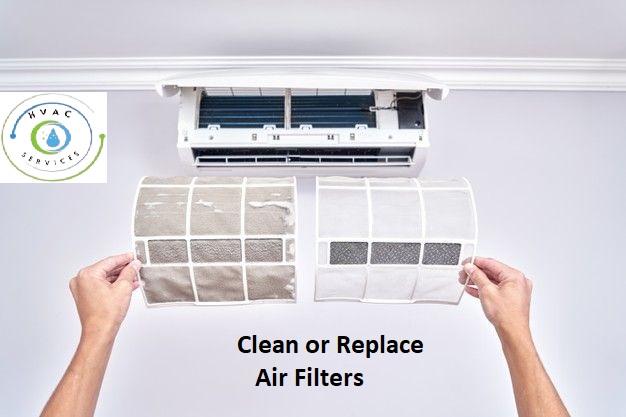
Clean or Replace Air Filters
Dirty or clogged filters restrict airflow, which makes your air conditioner work harder to cool the same space. This can increase energy use, reduce cooling performance, and put extra pressure on the system. For most homes, checking the filter once a month during heavy summer use is a smart habit. If the filter looks dusty, blocked, or gray, replace it or clean it according to the manufacturer’s instructions.
Homes with pets, allergies, dust, or frequent AC use may need filter changes more often. A clean filter not only helps reduce cooling costs but also improves indoor air quality and protects important AC parts from dirt buildup.
-
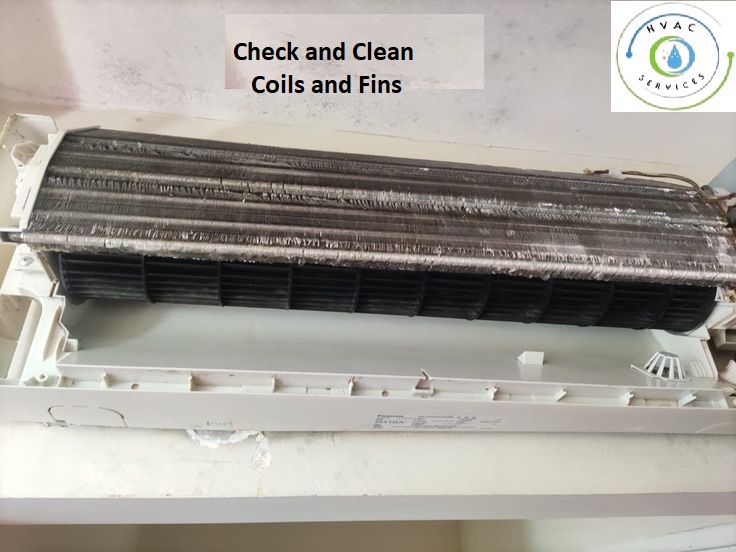
Check and Clean Coils and Fins
From my experience, to maintain your AC’s efficiency all year, always check the evaporator and condenser coils for dust and debris that accumulate and block airflow. When coils and fins get bent, gently straighten them to keep their ability to absorb and release heat at an optimal level. Regularly clean these parts to reduce strain and ensure your unit works smoothly.
When coils are covered with dust or debris, the AC has to work harder to absorb and release heat. This can reduce cooling performance and increase energy use. Homeowners can keep the outdoor area clear of leaves, grass, and dirt, but deeper coil cleaning should be handled carefully to avoid damaging the fins or electrical parts.
-
Inspect Ductwork and Seal Air Leaks
From my own experience, leaky ducts can waste a significant amount of cool air, often reducing the efficiency of your air conditioner without you even realizing it. I once noticed rooms in my home staying warmer, and the issue turned out to be hidden leaks in the ductwork.
To fix this, it’s smart to inspect your system carefully and seal any gaps. Using Small duct leaks can allow cool air to escape before it reaches your rooms. Sealing visible gaps with proper HVAC-approved mastic or foil tape can improve airflow and reduce wasted cooling. If some rooms stay warmer than others, or your AC runs for a long time without cooling evenly, a professional duct inspection may help find hidden leaks.
For bigger issues, let a professional perform a thorough inspection and repair the system. Their trained eye can catch hidden problems you might miss, and I found that their adjustments made my whole home evenly comfortable again.
HERE YOU CAN CONTACT FOR : Clean or Replace Air Filters
2. Set the Right Temperature and Use Smart Controls
-
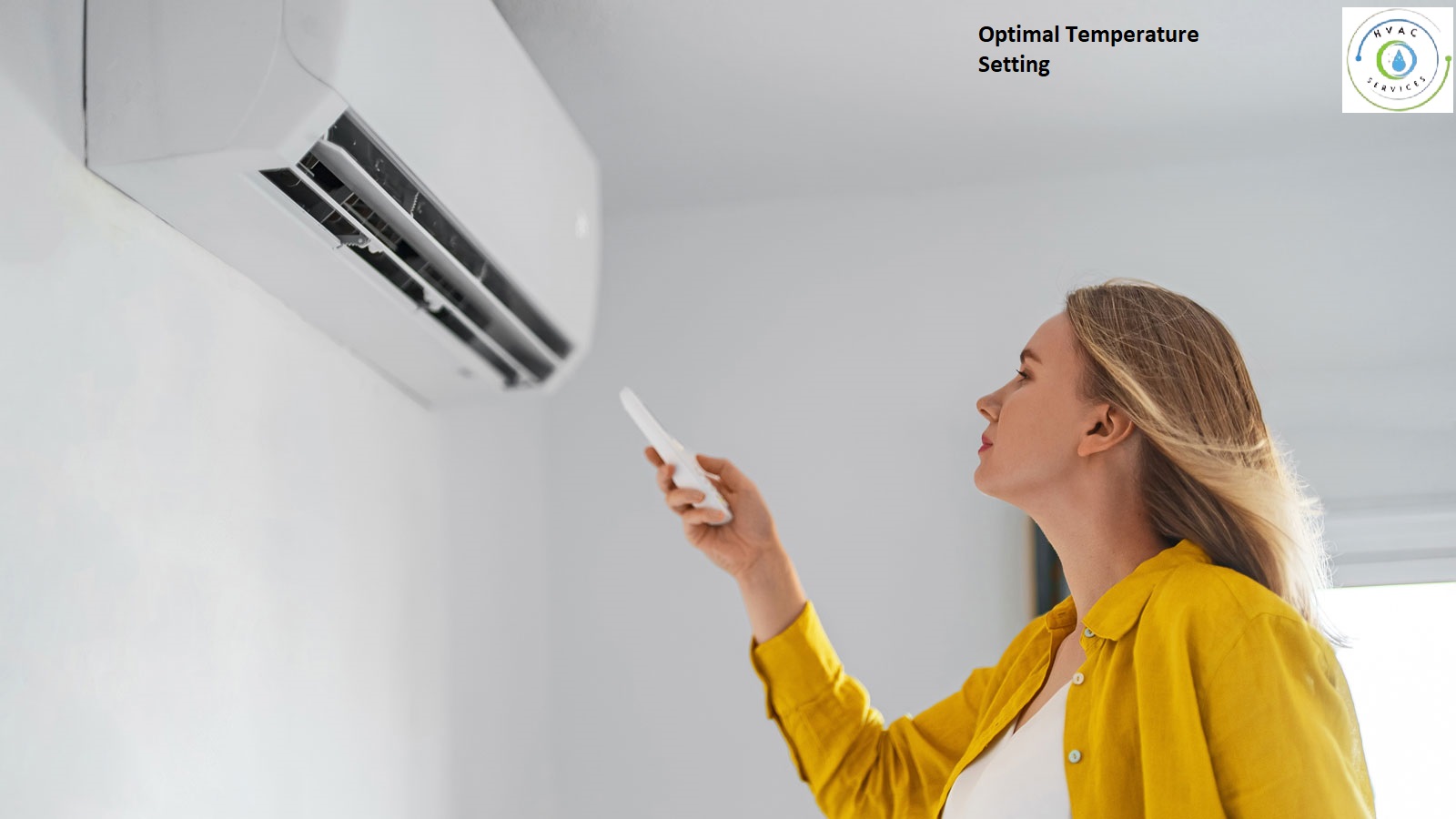
Choose the Optimal Temperature Setting
When setting the temperature in your home, aim for a balance between comfort and saving. I usually keep my AC at 78 degrees during hot summer months because it keeps the body comfortable while also cutting down energy use.When setting the temperature in your home, aim for a balance between comfort and saving. I usually keep my AC at 78 degrees during hot summer months because it keeps the body comfortable while also cutting down energy use.
Relying on air conditioning alone isn’t always the answer you can also adjust habits and make small practices part of your routine.I once tried different settings on my unit and noticed how daily fluctuations in conditioner’s performance were affected by natural diurnal changes. By taking advantage of cooler parts of the day, I could optimize usage without extra strain. Good placement of the system and steady airflow across rooms also improved cooling while avoiding unnecessary expenditure.Modern Energy Star certified models include energy-saving modes like eco or saver, which lower operational costs and reduce consumption. By carefully evaluating capabilities, conditions, and your lifestyle, you can extend the system’s life, avoid excess wear and tear, and still keep spaces cool. The right selection and mindful usage ensure better performance, less strain, and a healthier environment.
-
Best Thermostat Settings to Save Energy in Summer
A good summer thermostat setting should balance comfort and energy savings. Many homeowners keep the AC around 76°F to 78°F when they are home. If the house is empty for several hours, raise the temperature a few degrees instead of cooling empty rooms all day.
Avoid setting the thermostat extremely low, such as 65°F or 68°F, just to cool the home faster. Your AC does not cool much faster at a very low setting; it usually just runs longer and uses more electricity. A smart thermostat can help by adjusting the temperature automatically when you are asleep, away from home, or returning soon.
-
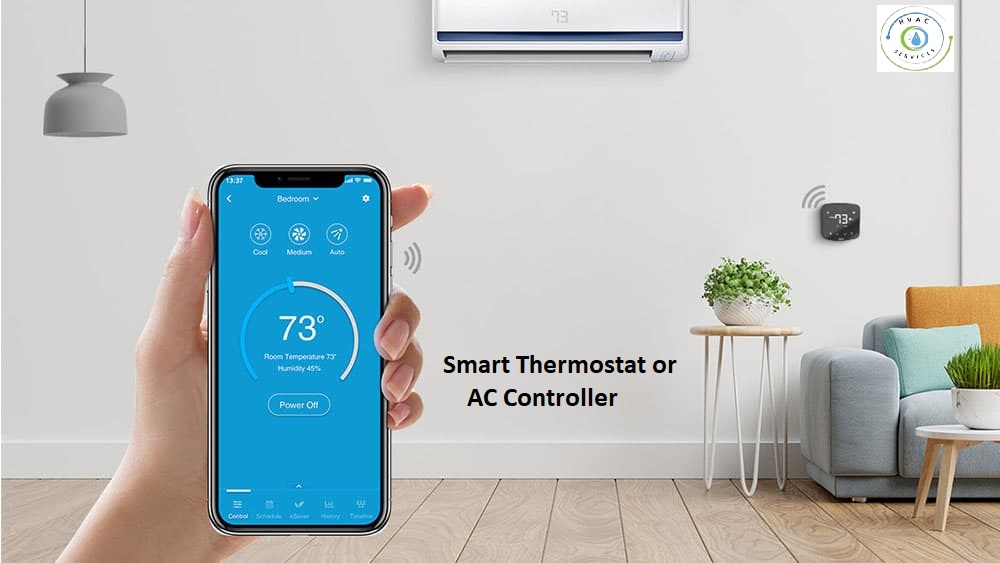
Use a Smart Thermostat or AC Controller
A smart thermostat or AC controller can help you manage cooling more efficiently by adjusting the temperature based on your schedule. Instead of manually changing settings throughout the day, you can create cooling schedules, control the system remotely, and reduce energy waste when no one is home.
Smart controls are especially useful for busy homeowners because they help prevent the AC from running at full comfort settings all day. This improves convenience, supports better energy management, and helps keep cooling costs under control.
What makes them even more useful are the features that keep you connected. With internet support, you gain remote access, so even if you forget to adjust the settings before leaving home, you can handle it with a tap. Options like scheduling and geo-fencing add flexibility, letting the system work automatically without extra effort.
I personally rely on these tools to save both time and money, especially when juggling work and home life. Since the thermostat and controller learn my daily patterns, I rarely need to make manual changes. These devices have turned the way I cool or heat my spaces into a smooth, worry-free process that feels effortless yet effective.
-
Turn Off the AC When You’re Not Home
When you leave home for work or school, it’s smart to turn the AC off or let a programmable thermostat set it to adjust automatically. I use mine to cool the house about 30 minutes before my expected return in the evening or an hour in the morning. This way, the temperature feels comfortable right when I walk in. It helps me save nearly 20% on my energy bill without even thinking about it. Using a timer or switch also works if you prefer to shut it down completely when leaving for an extended period like weekends or vacations, which can cut usage by up to 40%.With my TCL Fresh IN series inverter air conditioner, I can achieve this even more easily. I often operate its smart functions remotely through the TCL Home App, or sometimes with simple voice commands. This makes it effortless to control cooling whether I’m on the move or relaxing at home. From my experience, it’s not just about comfort—it’s also about knowing how to use the tools you already have in smarter ways.
3. Use Energy-Efficient Modes and Technology
-
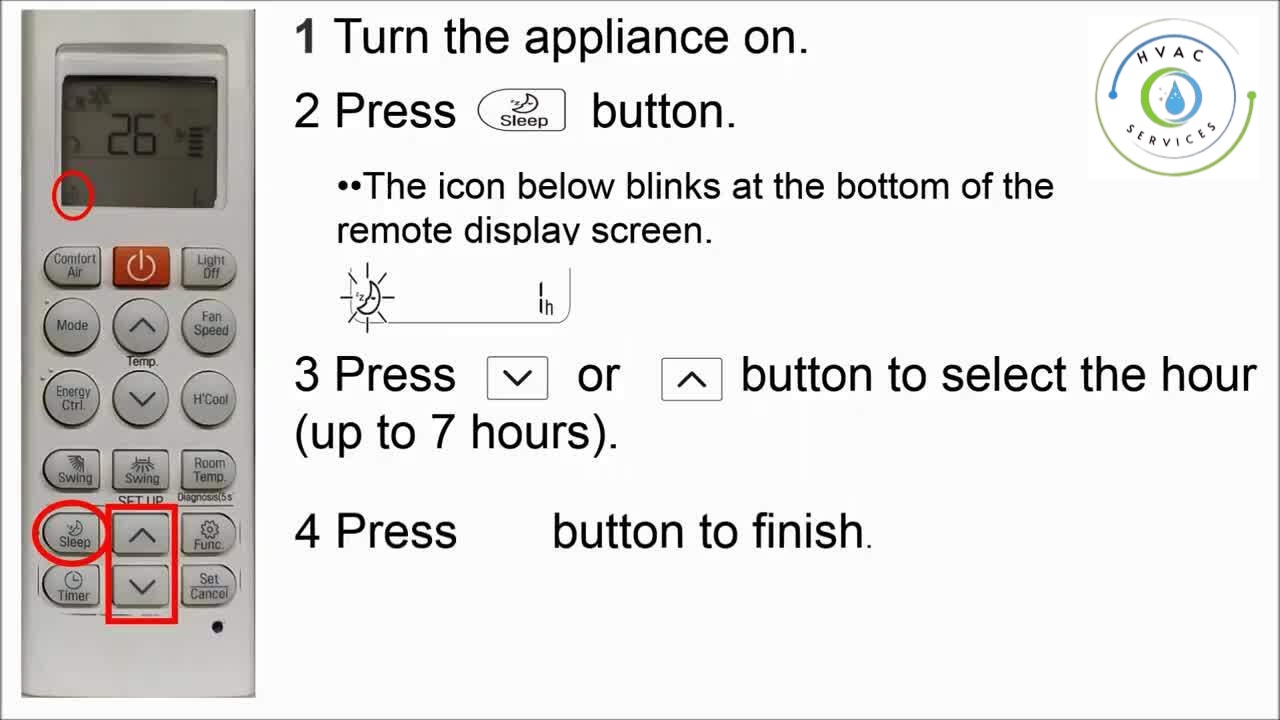
Activate Sleep Mode or Timer at Night
From my own experience,
The International Energy Agency has shown that using these features can save up to 30% energy consumed, which also lowers electricity bills. I’ve tried this during hot summers, and the difference in comfort and cost was very clear. It also feels good knowing that my small changes are helping reduce wasted energy without sacrificing cool air.
What I like most about these options is how easy they are to use. Just a few taps on the remote or app, and the AC does the rest—adjusting automatically based on the set timer or sleep mode. It’s a simple step, but it makes managing your air conditioner much more efficient, especially if you often fall asleep with the cooling still on.
Sleep mode and timer settings are helpful because your home usually does not need the same level of cooling all night. A timer can reduce unnecessary runtime after you fall asleep, while sleep mode can adjust the temperature gradually for better comfort and lower energy use.
This is a simple habit that works well for bedrooms, guest rooms, and smaller spaces where the AC often runs longer than needed.
-
Consider an Inverter Air Conditioner
From my own experience with air conditioners, I’ve noticed how traditional and non-inverter units consume more power just to keep a room cool. These conventional fixed-speed systems switch on and off frequently, which leads to more consumption and less comfort. In contrast, inverter-driven models can adjust the speed of the compressor to maintain a consistent temperature, while reducing unnecessary waste.
With inverter technology, it is possible to achieve greater energy savings compared to older systems. AC Energy Saving Tips work smoothly, providing better control over cooling and ensuring steady comfort without sudden changes in room climate. From my own setup, the difference was clear when I shifted to an energy-efficient model that made summers easier without pushing up my bills.
It’s true that an inverter system comes with a higher upfront cost, but the price difference gets offset over time through lower running expenses. Once I switched, the savings covered the extra cost, and I could see how the investment paid off. Choosing such a system today feels like a smart decision that balances comfort with responsible energy use.
An inverter AC can be a smart upgrade if your current system is old, noisy, or running for long hours every day. While the upfront cost may be higher, the long-term benefit can come from smoother operation, more stable comfort, and lower energy waste compared with many older fixed-speed units.
-
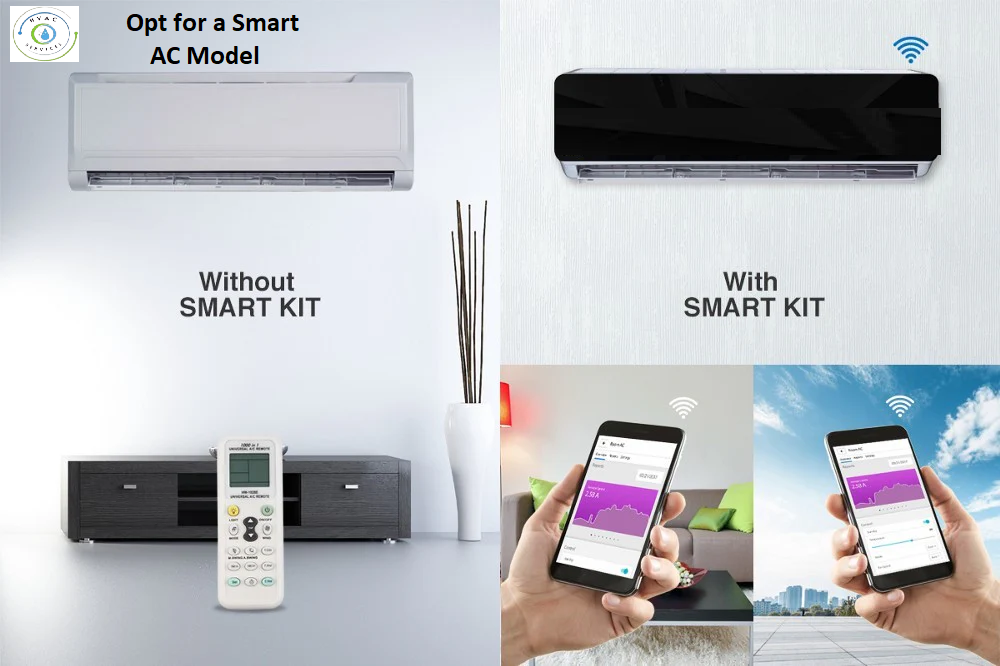
Opt for a Smart AC Model
A smart AC model can be useful for homeowners who want more control over daily energy use. Features like app control, scheduling, usage tracking, and automatic adjustments can help reduce unnecessary cooling. This is especially helpful during summer when small daily changes can make a noticeable difference in monthly electricity bills.
4. Improve Insulation and Shading
-
Seal Windows and Doors to Prevent Air Leaks
From my own experience, I’ve seen how adequate insulation can truly preserve a cool temperature inside the home, even when the weather outside is harsh. Small things, like sealing hidden leaks around windows and doors, stop air from finding ways to escape or create an influx of hot drafts that make your residence uncomfortable. The U.S. Department of Energy often highlights how such steps lead to a major reduction in heating and cooling expenses. Before I upgraded my own place, with of AC Energy Saving Tips I took time to assess each room and noticed tiny gaps that were quietly hindering the comfort of my indoor space.
To seal those areas, I relied on weatherstripping for moving parts and caulk for edges that stayed fixed. In addition, I found that insulated curtains and blinds didn’t just assist in blocking drafts but also in preserving indoor temperature more effectively. These measures may seem simple, but they go a long way toward creating a more efficient and comfortable living space.
Even a small gap around a window or door can allow cool air to escape and warm air to enter. This makes your AC run longer to maintain the same temperature. Weatherstripping, caulk, curtains, and blinds are simple upgrades that can support better cooling efficiency without changing the AC system itself.
-
Shade Your AC Unit and Windows to Reduce Heat Gain
I’ve noticed from personal experience that when my AC unit sits under direct sunlight, it tends to work harder just to keep the home cool. According to the U.S. Department of Energy, proper shading can actually improve efficiency by nearly 10%, which is a big deal when energy bills add up. I once had a Haier air conditioner, and I remember how much smoother it ran after I installed external shading devices and simple awnings around the outside walls. It really helped reduce the heat from entering the space during peak summer hours.
Inside, I’ve also found that shading windows with curtains and blinds plays an equally important role. They not only block sunlight but also keep rooms from heating up unnecessarily. Pairing indoor coverings with outdoor protection creates a strong barrier, making the cooling system more reliable. With this mix of indoor and outdoor solutions, your air conditioning will stay efficient and your living areas much more comfortable.
5. Improve Air Circulation
-
Use Ceiling or Portable Fans Alongside AC
When I use ceiling fans in my home, I notice how they help circulate the cool air much more smoothly. The portable fans are just as handy, especially in rooms where the AC flow feels weak. Both types of fans distribute the air more evenly, so the whole space feels balanced instead of having hot and cold spots.
By combining AC with fans, you can adjust the thermostat by AC Energy Saving Tips to a slightly higher setting without losing comfort. For example, I often raise it by a few degrees, and it still feels pleasantly cool. This trick makes the system work more efficiently while maintaining the same fresh feeling across the room.
The bonus is real energy savings, since the AC doesn’t need to run as hard when the air is moving. I’ve found that a small change like adding ceiling fans or portable fans can reduce strain on the system and extend its life. It’s a simple habit that improves daily comfort while lowering bills at the same time.
Fans do not lower the room temperature, but they help move cool air around and make the space feel more comfortable. This can allow you to raise the thermostat slightly without losing comfort. Remember to turn fans off when no one is in the room because fans cool people, not empty spaces.
-
Open Doors and Windows Occasionally for Natural Ventilation
During the summer season, I have often found that simply opening windows and doors at pre-dawn or dusk hours makes a big difference in keeping my home cool. Allowing fresh air to circulate provides natural ventilation that can aid in reducing the workload on the air conditioning system. This practice helps in conserving electricity while also creating a more comfortable living space. According to the U.S. Department of Energy, this is a practical, energy-efficient cooling method that works best when combined with other energy-saving strategies and recommendations.
From my own use of a AC Energy Saving Tips air conditioner, I noticed that when I utilize this step along with adequate insulation, the performance improves, and I am able to save electricity costs. Following official resources, guidelines, and even statistics supplied on energy use, I realized these simple steps not only minimize energy consumption but also prolong the lifespan of the unit. When you consistently maintain the air conditioning system and take full advantage of energy-efficient modes and features, you preserve both your interior and exterior comfort while ensuring better circulation throughout the living space.
Common AC Mistakes That Increase Your Electricity Bill
Many homeowners waste energy without realizing it. One common mistake is ignoring dirty filters until the AC stops cooling properly. Another mistake is closing too many vents, which can disturb airflow and put extra pressure on the HVAC system.
Setting the thermostat too low, blocking the outdoor unit with plants or objects, skipping annual maintenance, and using the AC while doors or windows are leaking air can also increase electricity bills. To save energy, your goal should be simple: help the AC move air freely, remove heat efficiently, and avoid unnecessary running time.
Mistakes to Avoid
Avoid these common AC mistakes:
- Setting the thermostat too low to cool faster
- Ignoring dirty filters
- Blocking vents with furniture
- Closing too many air vents
- Skipping annual AC maintenance
- Letting the outdoor unit sit under dirt, leaves, or blocked airflow
- Using the AC while windows or doors are leaking air
- Waiting too long to call a professional when cooling performance drops
6. Choose the Right AC Size for Your Home
-
Make Sure the AC Unit Matches Your Room Size
When I was buying my first AC unit, I didn’t think much about the size of the room or how much space it would need to cover. Later, I learned the AC Energy Saving Tips hard way that smaller units often run nonstop and still don’t cool properly, while a large unit can waste electricity and raise energy bills. That’s when I discovered how beneficial a room calculator can be. It helps match the unit to the exact room dimensions, whether it’s a single area or multiple rooms that need cooling.
Over time, I’ve also noticed that investing in AC Energy Saving Tips efficient models saves money in the long run by lowering costs and cutting down on wasted power. Choosing the right fit makes the system run smoothly, keeps comfort levels steady, and avoids extra strain on the AC. From my own experience, it’s clear that finding the balance between size, electricity use, and overall performance is the smartest way to enjoy a comfortable home.
An AC that is too small may run constantly and still fail to cool the room properly. An oversized unit may cool too quickly without removing enough humidity, which can lead to discomfort and short cycling. Before installing or replacing an AC system, it is better to have the room size, insulation, sunlight exposure, and cooling needs checked properly.
When to Call an HVAC Professional
Some energy-saving steps are easy to handle yourself, such as changing filters, using curtains, adjusting thermostat settings, and keeping vents open. However, some problems need a trained HVAC technician.
Call a professional if your AC runs constantly but does not cool well, your energy bill suddenly increases, rooms cool unevenly, the outdoor unit makes unusual noises, ice forms on the coils, or airflow from vents feels weak. These signs may point to refrigerant issues, duct leaks, dirty coils, electrical problems, or an incorrectly sized system.
A professional AC inspection can help find hidden problems early, improve efficiency, and prevent expensive breakdowns during peak summer heat.
Safety Note:
Do not open electrical panels, handle refrigerant, or wash internal AC components without proper training. For electrical problems, refrigerant issues, coil freezing, or weak airflow, it is safer to contact a professional HVAC technician.
Final Thoughts
Saving energy with your AC does not always require a major upgrade. Simple steps like cleaning filters, setting the right thermostat temperature, using fans, sealing air leaks, and scheduling routine maintenance can make a noticeable difference in comfort and cooling costs.
If your air conditioner still struggles after following these tips, it may be time for a professional HVAC inspection. A properly maintained AC system cools better, uses less energy, and lasts longer.
FAQs
How can I save energy with my AC?
You can save energy with your AC by cleaning or replacing filters, setting the thermostat correctly, using ceiling fans, sealing air leaks, keeping the outdoor unit clean, and scheduling regular maintenance.
What is the best AC temperature to save electricity?
A comfortable energy-saving setting for many homes is around 76°F to 78°F during summer. You can raise the temperature a few degrees when you are away from home to reduce unnecessary cooling.
Does cleaning the AC filter reduce electricity bills?
Yes. A clean AC filter improves airflow and helps the system cool your home with less effort. A dirty filter can make the AC run longer, increase energy use, and reduce cooling performance.
Do ceiling fans help reduce AC bills?
Yes. Ceiling fans help move cool air around the room, making you feel more comfortable even at a slightly higher thermostat setting. Turn fans off when the room is empty because fans cool people, not the air.
Why is my AC bill so high in summer?
Your AC bill may be high because of dirty filters, low thermostat settings, poor insulation, duct leaks, blocked vents, dirty coils, old equipment, or an AC unit that is too small or too large for your space.
Need Help Improving Your AC Efficiency?
If your air conditioner is running longer than usual, cooling unevenly, or increasing your energy bills, our HVAC team can help inspect the system and recommend the right solution. Contact HVAC Services for AC maintenance, tune-up, repair, or replacement support.